Maintenance Car Detailing Explained | Foust Auto Detail – Dallas, GA
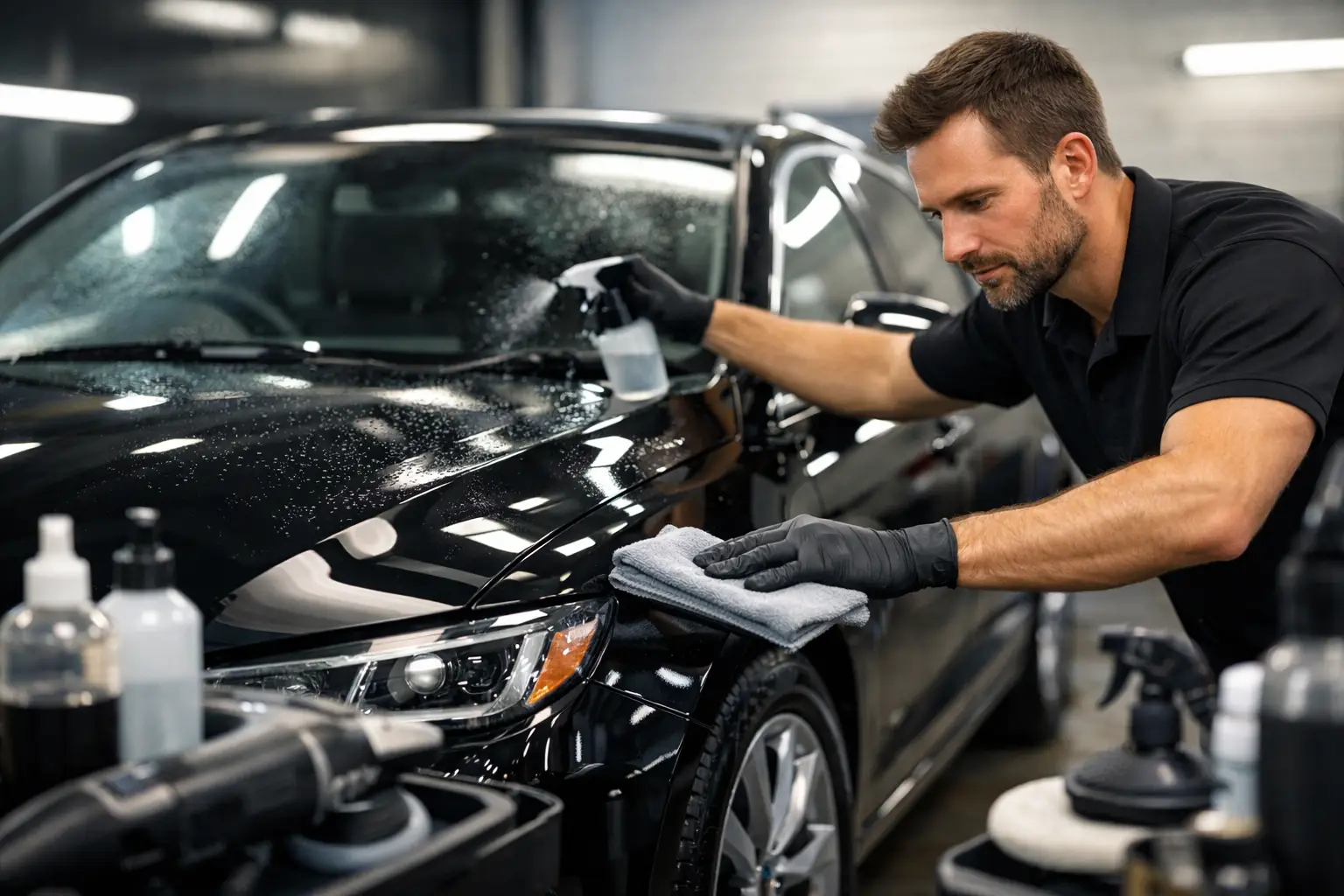
A vehicle rarely gets dirty all at once. It happens in layers - pollen on the hood, dust in the vents, crumbs in the second row, brake dust building on the wheels, light water spotting that starts to dull the finish. That is exactly where a maintenance car detailing service makes sense. It is not built for neglected vehicles that need major correction. It is built to keep a well-cared-for vehicle from slowly slipping backward.
For many drivers, that distinction matters more than the service name. If your car already looks decent but never seems to stay that way for long, maintenance detailing is usually the right interval-based solution. It keeps the vehicle consistently clean, protects surfaces from avoidable wear, and reduces how often you need a much more time-intensive reset.
What a maintenance car detailing service is meant to do
A maintenance detail is about preservation. The goal is to maintain a strong baseline rather than restore a vehicle from heavy buildup, staining, or long-term neglect. That usually means the service is most effective after a vehicle has already had an initial deep detail, full treatment, or at least a proper first-time reset.
When that baseline is in place, recurring service becomes more efficient and more valuable. Exterior contamination has less time to bond. Interior dust and debris stay manageable. Leather, plastics, trim, and carpets experience less repeated abuse. The finish keeps a cleaner, more uniform appearance instead of cycling between acceptable and rough.
That is one of the biggest misunderstandings in detailing. Many people wait until the vehicle looks bad enough to justify professional service. By that point, the work often takes longer, costs more, and may not fully reverse wear that has already set in. Maintenance changes that pattern.
What is usually included in maintenance car detailing service
The exact scope depends on the provider, but a true maintenance service should be clearly defined and realistic about what it covers. It generally focuses on the areas that decline fastest in day-to-day use.
Exterior care
On the exterior, that usually means a careful hand wash using safe methods, wheel and tire cleaning, door jamb wipe-downs, towel drying, light spray protection, and glass cleaning. In some cases, minor bug removal or light touch-up work is included if the buildup is still fresh and manageable.
What it usually does not include is heavy decontamination, paint correction, hard water spot removal, or anything that requires a more aggressive restoration approach. Those are separate services for a reason. They take more time, involve different processes, and should not be folded into a simple recurring package just to make the offer sound bigger.
Interior upkeep
Inside the vehicle, maintenance detailing often includes vacuuming, wipe-down of accessible surfaces, cupholder cleaning, dash and console care, interior glass cleaning, and light spot treatment where needed. If the vehicle is part of a regular schedule, this level of service is often enough to keep it looking composed and pleasant even in a busy household.
Again, there are limits. Ground-in pet hair, salt buildup, deep seat extraction, odor treatment, and stained carpet recovery usually fall outside a standard maintenance visit. Honest service means saying that up front, not after the work begins.
Who benefits most from recurring maintenance detailing
This type of service fits people whose vehicles are used constantly and judged constantly. That includes daily commuters, families with children, real estate professionals, sales reps, rideshare drivers, and anyone who treats vehicle appearance as part of their personal standard.
It is also a strong fit for multi-vehicle households. Once one vehicle falls behind, the others tend to do the same. A recurring maintenance schedule keeps that from becoming a rotating cleanup project every weekend.
There is also a practical advantage for owners who care about long-term value. Clean paint is easier to protect. Clean interiors age better. Regular vacuuming and surface cleaning reduce the fine abrasion and embedded grime that gradually make a newer vehicle feel older than it should.
In neighborhoods where schedules are packed and vehicles see everything from school pickup lines to pollen-heavy driveways, convenience matters. A mobile service model is especially useful here because it removes the extra errand. The vehicle gets cared for where it already sits, whether that is at home or at work.
When maintenance detailing is the wrong choice
A maintenance service is only effective when the vehicle is actually in maintenance condition. If the paint feels rough, the wheels are caked with brake dust, the interior has months of buildup, or the carpets need extraction, starting with a lighter recurring service can lead to disappointment.
That is not a flaw in the service. It is a mismatch between condition and scope.
The better approach is to begin with a deeper service that resets the vehicle properly. Once the paint, interior, and high-contact surfaces are brought back to a clean baseline, maintenance visits can preserve that result at a much more reasonable pace and cost.
This is where transparent communication matters. A disciplined detailer should be willing to say, "This vehicle needs a stronger starting point first." That protects the customer from unrealistic expectations and protects the quality of the result.
How often should you schedule it?
There is no perfect universal interval. The right schedule depends on how the vehicle is used, where it is parked, whether children or pets ride in it, and how sensitive the owner is to visible dust, debris, and road film.
For some owners, every two weeks keeps the vehicle right where they want it. For others, every four weeks is enough to maintain a clean standard without over-servicing it. If the vehicle is black, parked outdoors, or driven heavily, shorter intervals usually make more sense. If it is garage-kept and lightly used, a monthly cadence may be all it needs.
Season also matters. Spring pollen, summer bugs, fall debris, and winter road grime all change what the vehicle is exposed to. A schedule that worked in mild weather may not be enough during heavier contamination periods.
What separates real maintenance detailing from a basic wash
A lot of services use similar language, but the difference is in method and consistency. A basic wash focuses on visible dirt. A proper maintenance detail focuses on preserving surfaces.
That means using safer wash techniques, paying attention to touch points and trim, cleaning the interior with restraint rather than greasy dressings, and understanding where buildup begins before it becomes obvious. It also means working with a standard, not rushing through a checklist.
For owners who notice details, this difference is easy to see. The paint finishes cleaner. The interior feels settled rather than artificially shiny. The results hold up better because the work was done with care.
An owner-operated service often sharpens that difference. There is more accountability, more consistency, and usually a better sense of what the vehicle actually needs versus what can wait. That matters on recurring visits because small decisions repeated over time shape the overall condition of the vehicle.
How to choose the right provider
If you are considering a maintenance program, look for clear service definitions, realistic time expectations, and straightforward pricing by vehicle size or condition. Vague promises usually create vague results.
It also helps to ask whether the provider treats maintenance as a true follow-up service or as a catch-all package. The best recurring detailing programs are built around preservation. They are not overloaded with claims. They are structured, repeatable, and honest about limits.
For customers in Dallas, Georgia and nearby communities, that often means choosing a service built for real-life household use rather than volume-based turnover. A vehicle that carries kids, groceries, work gear, and weekend traffic needs practical care delivered consistently.
Foust Auto Detail is built around that kind of work - thoughtful service, clear expectations, and maintenance that supports the way people actually use their vehicles.
The best time to start maintenance detailing is not when the vehicle is already frustrating you. It is when it still looks good enough to protect, because preserving a clean vehicle is always easier than rescuing a neglected one.